Sustainable building in New Zealand has moved decisively beyond a niche lifestyle choice. Rising energy costs, increasing awareness of embodied carbon, and growing evidence that high-performance homes are simply better to live in — warmer, healthier, quieter — have brought sustainable building practices into the mainstream.
Free cost calculator
Get a free eco & sustainable builders cost estimate
Question 1 of 12
What are you building?
Pick the closest match — you can refine later.
Tap an option to continue — use Back to change an earlier answer.
But "sustainable" means different things to different builders. This guide cuts through the terminology, explains the standards and frameworks that actually matter in NZ, and helps you identify builders who can deliver a genuinely high-performance home — not just one with a few eco features bolted on.
Who This Is For
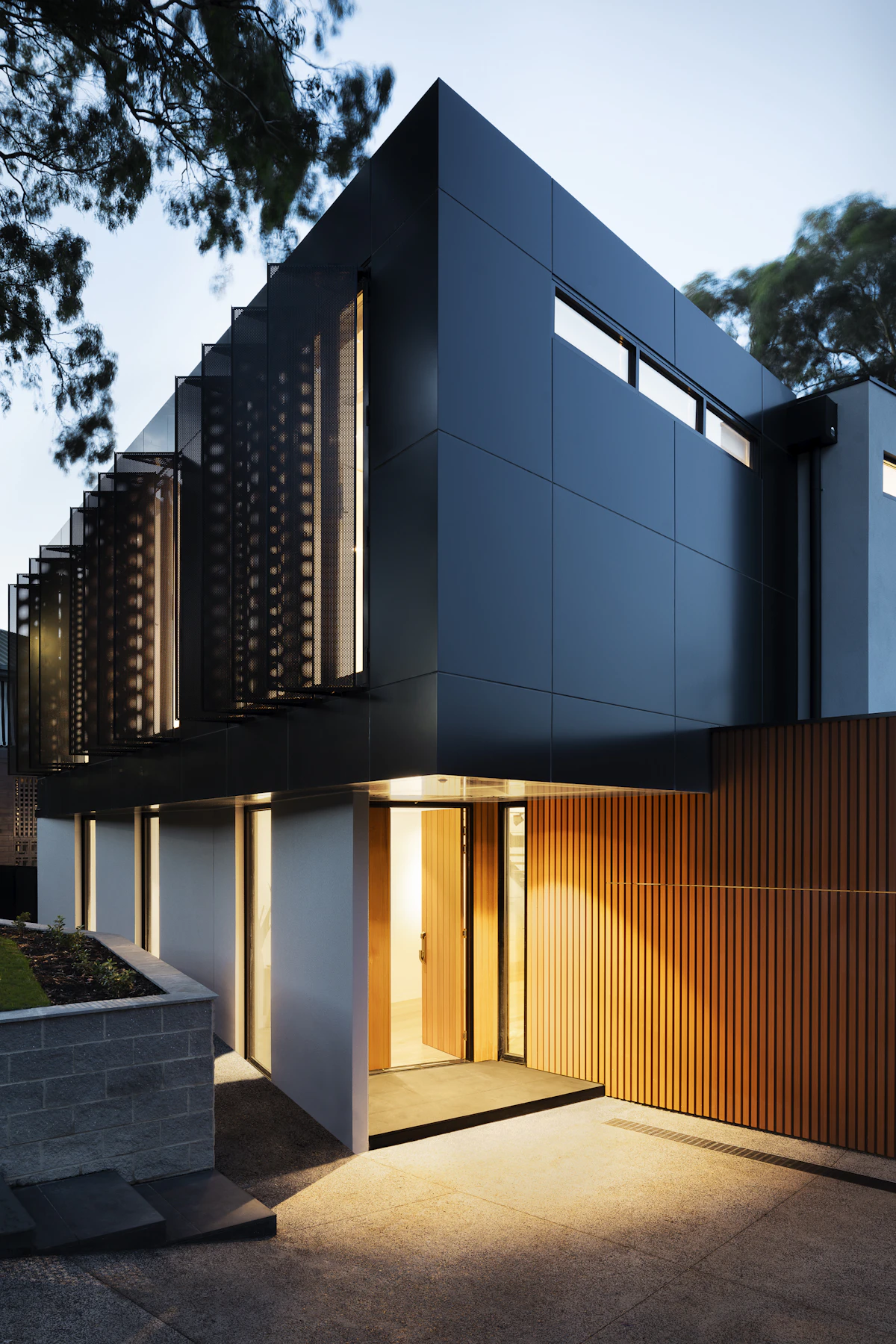
This guide is for homeowners who:
- Want a home that is genuinely warm, dry, healthy, and energy-efficient — not just code-compliant
- Are considering a Passive House build or want to understand what the standard involves
- Are committed to minimising their home's environmental impact — embodied carbon, materials choices, waste
- Are asking the right questions but finding it hard to separate genuine expertise from marketing claims
What Sustainable Building Actually Means
The word "sustainable" is used so broadly in building and construction marketing that it has lost much of its meaning. For this guide, we use it to mean homes that:
- Perform well for occupants — warm, dry, well-ventilated, and energy-efficient to operate
- Are built with low-impact materials — materials with lower embodied carbon, responsibly sourced, durable
- Minimise construction waste — through design efficiency, material prefabrication, and on-site waste management
- Are designed for longevity — built to last 100+ years with minimal maintenance requirements
A sustainable home may or may not have solar panels. It may or may not use recycled materials. What it must do is perform well for its occupants and minimise its lifetime environmental footprint — from construction through decades of use.
Key Standards and Frameworks in NZ Sustainable Building
Understanding the main standards helps you ask the right questions and assess builder claims with confidence.
Passive House (Passivhaus)
The Passive House standard is the most rigorous and internationally recognised energy performance standard for buildings. A certified Passive House achieves exceptionally low heating and cooling energy use through five core principles:
- Continuous high-performance insulation — significantly above NZ Building Code minimum
- Thermal-bridge-free construction — eliminating points where heat can bypass the insulation layer
- High-performance windows and doors — triple-glazed in most NZ climates
- Air-tight building envelope — with mechanical heat-recovery ventilation (HRV/ERV) providing fresh air without energy loss
- Careful solar design — orienting glazing to maximise winter solar gain and minimise summer overheating
A Passive House certification requires third-party verification of the energy model and on-site pressure testing (blower door test) to confirm air-tightness. Certified Passive House builders in NZ are registered with the Passive House Institute (PHI) or NZPH (NZ Passive House).
Homestar
Homestar is the New Zealand Green Building Council's national rating tool for new homes. It assesses a home across nine categories: energy, health and comfort, water, materials, waste, stormwater, site, innovation, and lifestyle. Star ratings from 6 to 10 are awarded, with Homestar 10 representing world-leading performance.
Homestar is designed for the NZ context. A Homestar 6 rating represents a meaningful improvement over standard code-compliant construction; Homestar 7+ represents high-performance building. Third-party assessment is required for a formal Homestar rating.
NZ Building Code Minimum vs. High Performance
It's important to understand that the NZ Building Code sets a minimum standard, not a recommended standard. Code-compliant insulation R-values, code-compliant window performance, and code-compliant ventilation represent the floor of acceptable performance — not the benchmark for a home you'll live comfortably in for the next 30 years.
A comparison:
| Element | Building Code minimum | High-performance recommendation |
|---|---|---|
| Ceiling insulation (Auckland) | R3.3 | R6.0+ |
| Wall insulation (Auckland) | R2.0 | R4.0+ |
| Underfloor (Auckland) | R1.3 | R3.0+ |
| Windows | Double-glazed (min) | Triple-glazed or high-performance double |
| Air changes/hour | No limit (>10 typical new home) | <0.6 (Passive House standard) |
A builder who says "we build to code" is telling you they build to the minimum. It's a starting point, not a selling point.
NZ Green Building Council (NZGBC)
The NZGBC oversees both the Homestar and Green Star (commercial) rating tools. Their website is a useful resource for understanding NZ-specific sustainable building standards and finding registered professionals.
How Much Does a Sustainable or Passive House Build Cost in NZ?
The most common misconception is that sustainable building is dramatically more expensive than standard construction. The reality is more nuanced.
Cost premium for high-performance building (vs. standard residential)
| Performance level | Approximate cost premium |
|---|---|
| Building Code + (meaningfully above minimum) | +5–10% |
| Homestar 7–8 | +10–20% |
| Passive House certified | +15–30% |
These premiums have reduced significantly over the past decade as high-performance products (triple-glazed windows, HRV systems, high-density insulation) have become more competitive in NZ, and as builders' familiarity with the methods has grown.
Lifetime Cost Perspective
A Passive House build might cost $50,000–$100,000 more to build than a standard home of the same size. But over 30 years, the occupant saves significantly in heating and cooling costs — and lives in a noticeably more comfortable home throughout. In NZ's cold southern regions, the payback period can be under 15 years in energy savings alone.
More importantly: high-performance homes hold their value well. As minimum energy standards tighten (NZ updated insulation requirements are planned for 2025 onward), standard-code homes will appear increasingly outdated to future buyers.
Materials in Sustainable Building
Sustainable builders approach material specification differently from standard construction. Key considerations:
Embodied Carbon
Embodied carbon is the carbon emissions associated with manufacturing, transporting, and installing building materials — as distinct from the operational carbon from running the building. In well-insulated, low-energy homes, embodied carbon becomes the dominant part of the building's lifetime carbon footprint.
High-embodied-carbon materials: concrete (cement production is carbon-intensive), steel, aluminium, PVC.
Lower-embodied-carbon alternatives: cross-laminated timber (CLT), structural timber, recycled or reclaimed materials, natural insulation products (wool, hemp, cellulose).
NZ has a natural advantage here: sustainably managed plantation timber is a low-embodied-carbon structural material. Builders who prioritise timber structure over concrete where practical are making a meaningful carbon choice.
Material Durability and Maintenance
Sustainable building favours materials that last — durable cladding, long-life roofing, robust floor coverings. The most sustainable material is the one you don't have to replace in 15 years. Cheaper materials with shorter lifespans have a higher lifetime environmental and financial cost.
Responsibly Sourced Timber
NZ has FSC-certified and PEFC-certified timber available. For builders who prioritise responsible sourcing, specifying certified timber (particularly for any species imported from overseas) is straightforward.
Healthy Homes and Indoor Air Quality
High-performance sustainable homes are also, typically, healthier homes. The connection is through air quality and moisture management.
Mechanical Ventilation with Heat Recovery (HRV/ERV)
An air-tight building envelope requires controlled mechanical ventilation — the home can no longer rely on uncontrolled infiltration for fresh air. An HRV (heat recovery ventilator) or ERV (energy recovery ventilator) provides a continuous supply of fresh air to bedrooms and living areas while recovering 70–90% of the heat from the exhaust air.
This produces a home that is constantly supplied with fresh air without the energy loss of simply opening a window in winter. It also filters incoming air, reducing allergens, pollutants, and pollen.
Moisture Management
New Zealand has a serious problem with cold, damp homes — a significant contributor to respiratory illness, particularly in children. A high-performance home with continuous insulation, thermal-bridge-free construction, and controlled ventilation is dramatically less susceptible to moisture problems than a standard-code home.
How to Identify a Genuinely Sustainable Builder
The term "eco builder" or "sustainable builder" carries no formal qualification in NZ. Anyone can use it. Here's how to separate genuine expertise from marketing.
Ask for Qualifications and Certifications
- Passive House Designer/Builder certification (PHI or equivalent)
- Homestar Registered Assessor or relationship with one
- NZGBC membership
- Experience with blower door testing and air-tightness verification
Ask for Comparable Projects
Request examples of homes built to the performance standard you're targeting. Ask for blower door test results on completed Passive House projects. These are objective, verifiable numbers.
Ask About Their Supply Chain
A sustainable builder knows where their insulation, windows, and cladding come from. They can explain why they specify the products they do — not in marketing terms but in technical performance terms.
Ask About Their Waste Management
What proportion of construction waste is diverted from landfill on their sites? Do they separate materials for recycling? This is a reasonable operational question that a genuinely committed sustainable builder can answer specifically.
Common Myths About Sustainable Building in NZ
"Sustainable homes are too expensive for most people." The premium is real but often overstated. Above-minimum insulation adds a few thousand dollars to a build. An HRV system costs $5,000–$12,000 installed. Specifying higher-performance windows costs more — but the gap has narrowed. Building meaningfully above code doesn't require a Passive House budget.
"Solar panels make a home sustainable." Solar panels are a useful energy generation tool, but they don't address the building envelope performance that determines how much energy the home needs in the first place. A leaky, poorly insulated home with solar panels is still a leaky, poorly insulated home. Fix the envelope first.
"New Zealand's climate is mild enough that we don't need high-performance building." Auckland's winters are mild. Wellington's, Christchurch's, and Dunedin's are not. Even in Auckland, a poorly insulated home with inadequate ventilation is cold, damp, and expensive to heat. The Healthy Homes epidemic in NZ is evidence that code-compliant construction is not sufficient for healthy living.
How BuildersNearMe Lists Eco & Sustainable Builders
Builders in this category on BuildersNearMe have provided evidence of specific sustainable building credentials — Passive House experience, Homestar projects, or demonstrable high-performance building capability. This is a curated list, not a catch-all for builders who claim sustainability credentials without evidence.
Find Eco & Sustainable Builders by Region
- Eco builders Auckland
- Eco builders Wellington
- Eco builders Christchurch
- Passive house builders NZ
- Eco builders Nelson / Tasman
- Eco builders Wānaka / Queenstown
Related Services
Frequently Asked Questions
What is the difference between Passive House and standard NZ building code? The NZ Building Code sets minimum performance standards. A Passive House build targets a specific, very low energy use — typically 80–90% lower heating demand than a standard code-compliant home — through continuous high-performance insulation, thermal-bridge-free construction, triple-glazed windows, air-tight construction, and heat-recovery ventilation. The standard requires third-party certification and on-site verification (blower door test). It is significantly more demanding than code compliance.
Is Passive House worth it in Auckland's warmer climate? Passive House is often described as a standard developed for cold climates — and the heating energy savings are most dramatic in Christchurch, Wellington, or Dunedin. In Auckland, the case is somewhat different: the primary benefits are consistent comfort (no cold rooms, no dampness), excellent indoor air quality through the HRV system, and dramatically reduced cooling loads in summer. For Auckland homeowners who place high value on health, comfort, and long-term energy costs, the standard is still worthwhile. The cost premium is lower in milder climates.
What is embodied carbon and why does it matter? Embodied carbon refers to the greenhouse gas emissions associated with manufacturing, transporting, installing, and eventually disposing of building materials — as distinct from the energy used to heat and cool the building (operational carbon). In well-insulated, energy-efficient homes, embodied carbon becomes the dominant source of lifetime carbon emissions. Reducing embodied carbon means prioritising lower-carbon materials (structural timber over concrete where possible), minimising waste, and designing for durability and disassembly.
What is a blower door test? A blower door test measures the air-tightness of a building envelope. A calibrated fan is mounted in an external doorway and used to pressurise or depressurise the building. The rate of air leakage is measured and expressed as air changes per hour at 50 Pascals (ACH50). Standard NZ new builds typically achieve 5–10 ACH50. A Passive House requires ≤0.6 ACH50. The test identifies air leakage points that can be sealed before linings are installed, locking in the air-tightness performance.
What is HRV and do I need it in a sustainable home? HRV (Heat Recovery Ventilation) is a mechanical ventilation system that continuously supplies fresh filtered air to the home while recovering heat from the exhaust air. In an air-tight building, HRV is essential — without it, CO2 builds up and moisture accumulates. HRV systems provide consistent, filtered fresh air without the energy penalty of opening windows in winter. They are standard in Passive House buildings and increasingly common in high-performance homes of all types.
How do I verify a builder's sustainable building credentials? Ask for specific evidence: Passive House Designer or Builder certification (verifiable on the PHI website), Homestar-rated project examples, blower door test results, and references from previous sustainable build clients. Credentials you cannot verify — generic claims about "sustainable materials" or "green building practices" without specifics — warrant further questioning.
Are sustainable homes harder to get building consent for? No — in fact, a high-performance home that exceeds Building Code minimums makes the consent process more straightforward, as it clearly demonstrates compliance with energy efficiency provisions. Passive House projects sometimes require additional documentation for the mechanical ventilation system and air-tightness provisions, but this is well understood by consent authorities who have processed these projects before.
What is the lifespan of a well-built sustainable home? A sustainably built home — with durable materials, continuous insulation, and robust weathertightness detailing — should perform well for 100 years or more with appropriate maintenance. This is one of the most compelling arguments for investing in quality sustainable construction: the long-term durability reduces the total lifecycle cost and environmental impact significantly compared to a code-minimum home that requires significant remediation or replacement of components within 20–30 years.
Get Matched with a Verified Sustainable Builder
Tell us about your sustainable build goals — the standard you're targeting, your location, and your timeline — and we'll connect you with builders who have the verified credentials and experience to deliver.
Build better. Live better. Verified builders who know how.


