Building a new home is one of the largest financial decisions most New Zealanders make. Finding the right builder — someone with the skills, track record, and capacity to deliver your project — can mean the difference between a smooth process and a costly ordeal. This guide explains what to expect at every stage, what a quality new home build costs in NZ today, and how to choose a builder you can trust.
Free cost calculator
Get a free new home builders cost estimate
Question 1 of 12
What are you building?
Pick the closest match — you can refine later.
Tap an option to continue — use Back to change an earlier answer.
Who This Is For — and Who It Isn't
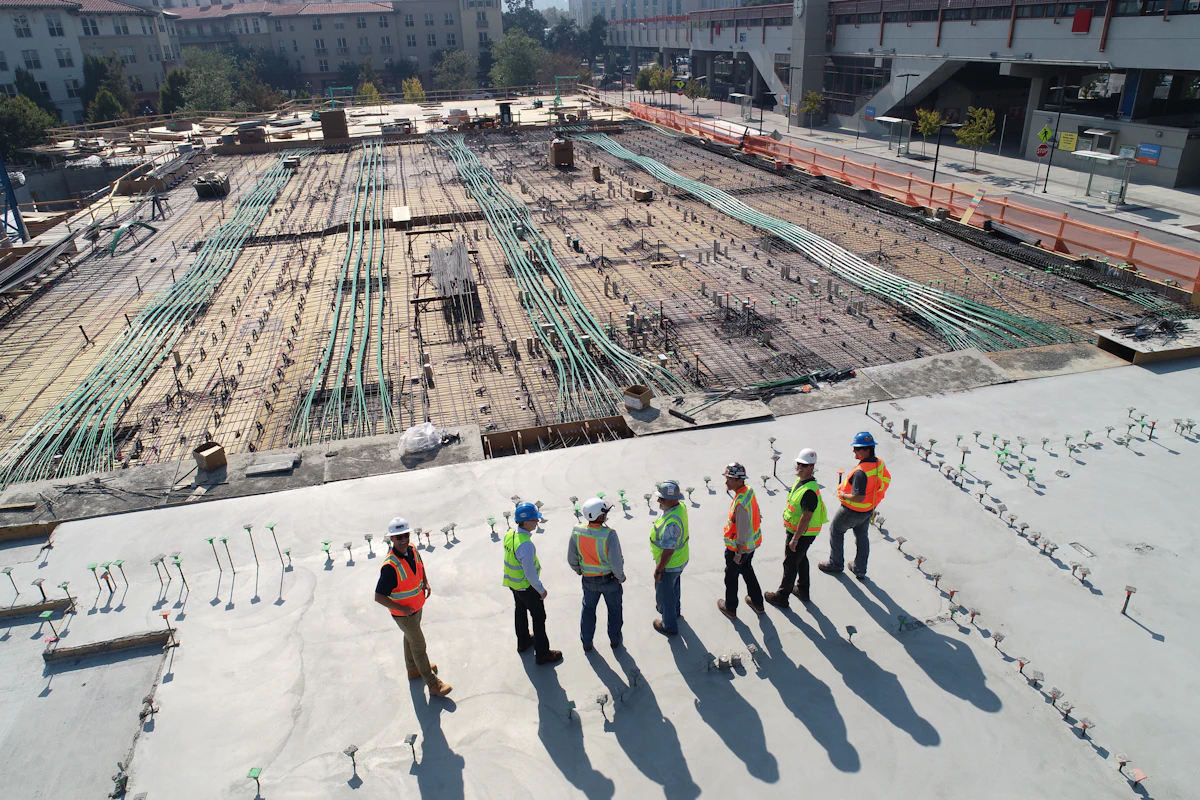
This guide is for homeowners who:
- Own land and are ready to progress from concept to construction
- Are in early planning and want to understand realistic costs before engaging anyone
- Have a section (or are buying one) and want to build rather than buy an existing home
- Are considering a spec home, a design-and-build package, or a fully custom architectural build
This guide is not aimed at investors building large multi-unit developments (those projects involve different procurement and consent processes), or people renovating or extending an existing structure.
If your project involves adding to an existing home, see our House Extensions guide or Renovation Builders guide.
What New Home Construction Involves in New Zealand
A new home build in NZ follows a structured process from concept to code compliance. Understanding each stage helps you ask better questions, manage expectations, and avoid common surprises.
Design and Planning
The build process starts long before any ground is broken. You'll need a set of plans that meet the New Zealand Building Code. For most residential new builds, this means engaging either a licensed building designer (a subset of Licensed Building Practitioners) or a registered architect.
Some design-and-build companies handle design in-house and offer pre-designed plan ranges you can customise. This is typically faster and less expensive than a fully bespoke design, though you have less flexibility over every detail.
Your designer will produce:
- Architectural drawings
- Engineering specifications (foundation, framing, connections)
- A specification schedule covering materials, fixtures, and finishes
These documents form the basis of both your building consent application and your contract with the builder.
Building Consent
Before construction begins, you must obtain a building consent from your local council. This is a legal requirement under the Building Act 2004 and applies to all new residential homes.
The consent application is lodged by the project owner (or their agent) and includes your plans, specifications, and supporting engineering documents. Council has 20 working days to grant or decline once all information is received — though in practice, requests for further information (RFIs) can extend this timeline.
A Resource Consent may also be required if your build doesn't comply with the District Plan rules for your site — for example, if it exceeds permitted height limits, setbacks, or impervious surface coverage. Your designer or builder will advise whether this applies.
Construction Stages
A typical new home build progresses through the following stages:
- Site preparation — clearing, levelling, and temporary fencing
- Foundation — concrete slab, piles, or perimeter foundation depending on soil conditions and design
- Framing — wall and roof framing, including any engineered timber elements
- Roofing and weathertightness — roof cladding, windows, and external cladding installed to close in the building
- Services rough-in — plumbing, drainage, electrical, and mechanical systems installed before linings
- Insulation — wall, ceiling, and underfloor insulation to NZ Building Code requirements
- Linings — GIB (plasterboard) fixing and stopping
- Joinery and fitout — kitchen, bathrooms, internal doors, stairs
- Painting
- Final fitout — flooring, fixtures, and finishing
- Code compliance certificate — final inspection by council and sign-off
Build timelines vary. A straightforward three-bedroom home typically takes 12–18 months from consent to code compliance certificate (CCC). Complex designs or builds on difficult sites take longer.
How Much Does Building a New Home Cost in NZ?
New home construction costs in NZ increased sharply between 2020 and 2023, and remain elevated in 2026 due to material and labour costs. The figures below are indicative — your actual cost will depend on your design, location, site conditions, and specification level.
Cost per square metre (indicative, 2026)
| Build type | Cost range per m² (excl. GST) |
|---|---|
| Entry-level spec build | $2,200 – $2,800 |
| Mid-range residential | $2,800 – $3,800 |
| Premium / architectural | $3,800 – $6,000+ |
A standard 150m² three-bedroom home on a straightforward flat site typically costs between $400,000 and $600,000 to build — not including the land, fees, and consents.
What's Not Included in the Build Contract
Builder contracts typically cover construction costs only. Budget separately for:
- Land purchase
- Survey and geotechnical report ($1,500 – $4,000)
- Design and engineering fees ($15,000 – $50,000+ for custom homes)
- Building consent fees (set by your council, typically $5,000 – $15,000 depending on value)
- Site development — driveway, retaining, fencing, landscaping
- Connection fees for water, sewer, stormwater, power, and gas
- Interior furnishings
A conservative allowance for professional fees, consents, and site development is 15–20% on top of the base build cost.
Fixed Price vs Cost-Plus Contracts
Most residential builds are done on a fixed-price contract, which means the builder commits to delivering the agreed scope for a set price. Changes (variations) are priced and agreed separately.
A cost-plus contract (sometimes called a prime-cost or open-book contract) means you pay the actual cost of materials and labour plus the builder's margin. This suits complex or bespoke projects where scope is genuinely uncertain, but it requires strong trust in your builder and careful monitoring.
How the Process Works: From First Enquiry to Moving In
Understanding the typical stages helps you know what to prepare at each point.
Stage 1 — Initial consultation. A good builder will visit your site, review your plans (if you have them), and give you a preliminary view on feasibility, timeline, and cost range. This should be free and without obligation.
Stage 2 — Design and pricing. If you're working with a design-and-build company, they'll present plan options and quote a fixed price. If you have your own designer, you'll go to tender — sending your plans to multiple builders for competitive pricing.
Stage 3 — Preliminary agreement. Many builders charge a preliminary design or project development fee ($2,000 – $10,000+) to cover their time producing detailed pricing, specifications, and consent documents. This fee is typically credited against the main contract if you proceed.
Stage 4 — Building contract. New Zealand Certified Builders (NZCB) and Master Builders both provide standard contracts. Ensure your contract includes a fixed price, a payment schedule tied to construction stages, a variation process, and defects liability provisions.
Stage 5 — Consent lodgement and approval. Your builder or designer lodges the consent application. Construction cannot start until consent is granted.
Stage 6 — Construction. Your builder manages subcontractors (plumber, electrician, roofer, etc.) and council inspections at each critical stage. You should receive regular progress updates and site access.
Stage 7 — Practical completion and CCC. Once construction is finished and the final council inspection passes, the builder issues a practical completion certificate. You can occupy the home once council issues the Code Compliance Certificate (CCC).
What to Look for When Choosing a New Home Builder
Selecting the right builder is the single most important decision in the process. Here is what to verify before signing anything.
Licensed Building Practitioner (LBP)
Under the Building Act 2004, restricted building work — which includes most structural and weathertightness work on new homes — must be carried out or supervised by a Licensed Building Practitioner. Verify your builder's LBP licence on the MBIE LBP register.
LBPs are categorised by licence class: Carpenter, Site, Foundation, External Plastering, Roofing, Bricklaying and Blocklaying, and Design. A site licence holder can supervise all restricted building work on a residential project.
New Zealand Certified Builders (NZCB) or Master Builders Membership
Membership of NZCB or Master Builders signals that the builder has met minimum requirements for skills, experience, and business standards. Both associations offer a 10-year residential guarantee to homeowners (terms apply and vary by association). This provides a degree of protection if the builder ceases trading.
Builders Near Me flags NZCB and Master Builders members on their profiles so you can identify them quickly.
Track Record and References
Ask to see examples of completed homes of a similar type and specification to yours. Request contact details for at least two previous clients and speak to them directly. Ask specifically:
- Did the build come in on time?
- Were there significant cost variations? If so, how were they handled?
- How was communication throughout the build?
- Would you build with them again?
Builders who are reluctant to provide references deserve scrutiny.
Financial Stability
Building companies do fail — sometimes mid-project. Ask to see evidence of public liability insurance and check that the company has been trading for at least three to five years. Check the NZBN register and Companies Office for directorships and any history of liquidation.
Capacity and Scheduling
A good builder is usually in demand. Ask directly how many projects they are managing simultaneously and when they can realistically start and complete your project. A builder who promises an unrealistically fast start may be overcommitting.
NZ-Specific Regulations and Compliance
The Building Act 2004 and Building Code
All new homes must comply with the New Zealand Building Code (NZBC), which sets minimum performance standards for structural stability, weathertightness, fire safety, sanitation, energy efficiency, and more.
The Building Code is outcomes-based — it specifies what a building must achieve, not exactly how to achieve it. Your designer and builder are responsible for ensuring compliance.
Healthy Homes and Insulation
While the Healthy Homes Standards strictly apply to rental properties, the underlying insulation requirements — ceiling, underfloor, and wall — are good practice for any new build. Current NZBC requirements specify minimum R-values by climate zone. New builds in northern NZ must meet different requirements to those in Otago or Southland.
Resource Management Act (RMA)
Your local council's District Plan controls what you can build and where — building height, setbacks from boundaries, site coverage, and more. Your designer will check District Plan compliance before finalising your plans. If your design doesn't comply, you'll need a resource consent before applying for a building consent.
Seismic Zone
New Zealand sits on the boundary of the Australian and Pacific tectonic plates. Your region's seismic zone determines the structural engineering requirements for your home. Foundation and framing designs in Wellington, Kaikōura, or the Central Plateau differ from those in Auckland.
Common Mistakes to Avoid
Skipping the geotechnical report. Ground conditions — particularly in areas with clay soils, filled land, or variable depth to rock — significantly affect foundation design and cost. Paying for a geotechnical (soils) investigation before finalising your design prevents costly surprises during construction.
Locking in a builder before plans are finalised. Getting quotes based on incomplete plans leads to misaligned pricing and contentious variations. Invest in a fully developed design before going to tender.
Accepting the lowest quote without scrutiny. The lowest price is often explained by something: thinner specification, less capable subcontractors, or optimistic assumptions the builder expects to recover through variations. Compare quotes on a like-for-like basis.
Underestimating total project cost. First-time builders consistently underestimate total project cost by 15–30% by focusing only on the build price and missing design fees, consents, site development, and landscaping. Budget for the full delivered cost from day one.
Poor communication expectations. Agree upfront how your builder will communicate with you — weekly updates, a shared project management tool, or site meetings. Builders who go silent create anxiety. A good builder welcomes an engaged client.
How BuildersNearMe Verifies New Home Builders
Every builder listed on BuildersNearMe goes through a verification process before they appear in our directory. We check:
- LBP registration status against the MBIE register
- NZCB or Master Builders membership (where applicable)
- NZBN registration and Companies Office status
- At least one verified project reference
Verified Partner builders have completed an enhanced vetting process, including an active insurance check and a review of their completed project portfolio.
We don't accept every applicant. Our goal is a curated directory of builders we'd be comfortable recommending to our own family, not the largest possible list.
Find New Home Builders by Region
- New home builders in Auckland
- New home builders in Wellington
- New home builders in Christchurch
- New home builders in Hamilton
- New home builders in Tauranga
- New home builders in Dunedin
- New home builders in Nelson
- New home builders in Queenstown
Related Services
Frequently Asked Questions
Do I need a building consent for a new home in New Zealand? Yes. All new residential buildings require a building consent from your local council under the Building Act 2004. Construction cannot legally begin before consent is granted. Your builder or designer typically manages the application process on your behalf. Allow 20 working days for processing once all documents are submitted, though councils often issue RFIs (requests for further information) that extend this timeline.
How long does it take to build a new home in NZ? A standard three-to-four bedroom home on a straightforward site typically takes 12–18 months from building consent to code compliance certificate. Complex designs, difficult sites, or builds in areas with high demand for materials or subcontractors can extend this to 24 months. Your builder should give you a realistic programme before you sign the contract.
What is a Licensed Building Practitioner and why does it matter? An LBP is a tradesperson licensed under the Building Act to carry out or supervise restricted building work — the structural and weathertightness elements of a home. Using an unlicensed person for restricted building work is illegal and can void your insurance. Always verify your builder's LBP licence on the MBIE register before signing a contract.
What insurance does my builder need? Your builder should carry public liability insurance (covering third-party property damage and injury during the build) and, in most cases, a contractor all-risk or construction works policy covering the building itself during construction. Ask for evidence of current insurance before work starts. You should also consider your own homeowner insurance from the point of contract signing.
What is a Code Compliance Certificate (CCC)? A CCC is the council's confirmation that your building was constructed in accordance with the approved plans and the New Zealand Building Code. Without a CCC, you may have difficulty selling the property or obtaining a mortgage. Your builder applies for the CCC at the end of the project after the final council inspection.
What is the difference between a fixed-price and a cost-plus contract? A fixed-price contract commits the builder to delivering the agreed scope for a set price — you know your costs upfront. A cost-plus contract means you pay actual material and labour costs plus a margin; the final price isn't known until the project is complete. Fixed-price contracts are standard for most residential new builds. Cost-plus suits highly complex or bespoke projects where the full scope genuinely cannot be defined in advance.
How many quotes should I get? For a custom new build, three quotes is a reasonable standard. This gives you a competitive range without placing an unreasonable burden on builders. Send the same plans and specifications to all three so you're comparing like-for-like. If quotes vary widely, ask each builder to walk you through their pricing — the discrepancy usually reveals important differences in scope or specification.
Can I owner-build my home? Yes, under certain conditions. Owner-builders can carry out building work on their own home, but there are restrictions — you cannot carry out restricted building work unless you have the relevant LBP licence. Owner-builders cannot sell the property within 3 years without making disclosure about the owner-build status. In practice, most owner-builders act as project managers and engage licensed subcontractors for the specialist work.
Get Matched with a Verified New Home Builder
BuildersNearMe connects New Zealand homeowners with verified, LBP-licensed builders who have the experience and capacity to deliver your new home. Tell us about your project — where it is, what you're building, and your timeline — and we'll match you with suitable builders in your area.
Find a New Home Builder Near Me →
No obligation. No bidding war. Just builders worth talking to.


